
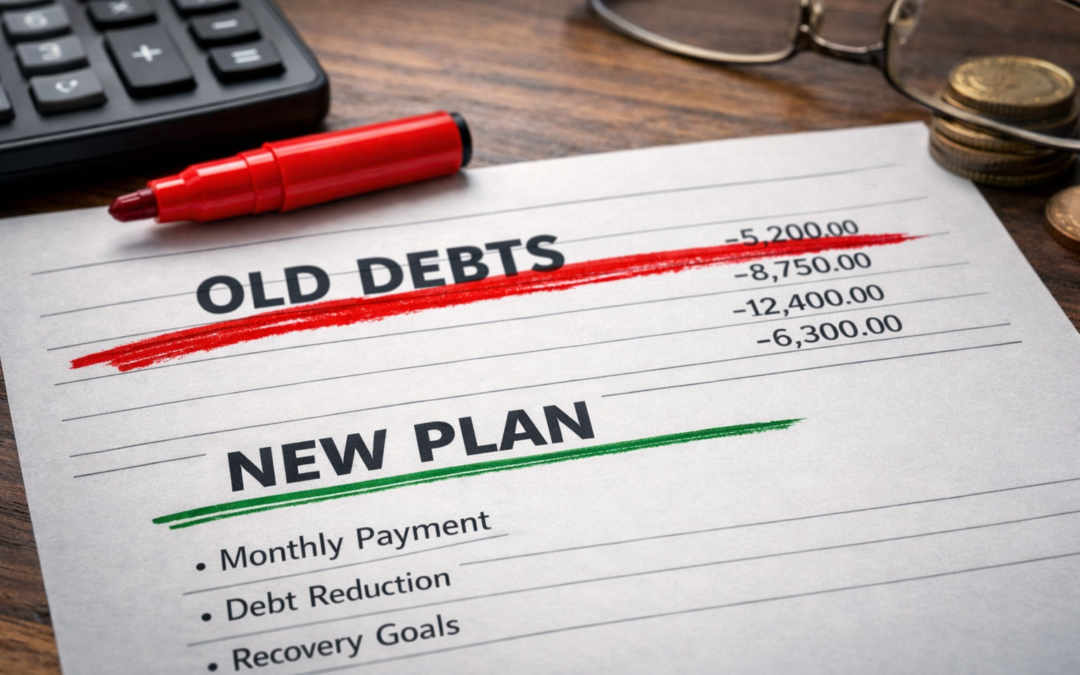
In previous articles in this insolvency series, we’ve looked at insolvent liquidation and company administration. Both are well‑established procedures, but neither is always the right answer, particularly where a business is fundamentally viable but temporarily overburdened by debt.
This is where a Company Voluntary Arrangement (CVA) can come into its own.
Over the years, I’ve helped many directors use CVAs to stabilise cash flow, deal with historic liabilities (including HMRC arrears), and continue trading in a controlled and transparent way. When used correctly, a CVA is not a ‘soft option’, but a disciplined restructuring tool that benefits both companies and creditors.
What is a CVA?
A Company Voluntary Arrangement is a formal, legally binding agreement between a company and its creditors to repay all or part of its debts over time.
Key features include:
-
The company continues to trade under director control
-
Creditors receive agreed contributions, usually over 3–5 years
-
Interest and charges are typically frozen
-
Once approved, the CVA binds all unsecured creditors
CVAs are governed by insolvency legislation and supervised by a licensed insolvency practitioner.
When does a CVA work well?
CVAs are not suitable for every distressed business. They tend to work best where:
-
The underlying business is profitable or close to it
-
Cash flow issues stem from historic debt rather than ongoing losses
-
The company needs time, not terminal intervention
-
Directors are prepared to run the business tightly
In practice, CVAs are commonly used where HMRC arrears, rent liabilities, or legacy trade debt are the main pressure points.
General guidance for directors facing insolvency is available on gov.uk:
https://www.gov.uk/guidance/being-a-company-director
How is a CVA approved?
The process broadly follows these steps:
-
Proposal preparation
A detailed proposal is drafted, setting out the company’s position, forecasts, and proposed repayments. This is normally drafted by the insolvency practitioner who’s in line to supervise the CVA once it’s approved. -
Creditor decision procedure
Creditors vote on the proposal. Approval requires 75% (by value) of those who vote. -
Implementation and supervision
If approved, the CVA takes effect immediately and is supervised for its duration.
HMRC and CVAs – a key consideration
HMRC is often the largest unsecured creditor in a CVA and plays a significant role in whether proposals succeed.
In my experience, HMRC will engage constructively where:
-
Tax filings are up to date
-
The proposal is realistic and evidence‑based
-
Ongoing compliance is prioritised
-
The company can demonstrate long‑term viability
HMRC’s guidance on its CVA consideration process is available here:https://www.gov.uk/government/publications/working-with-insolvency-practitioners-vas/company-voluntary-arrangements-service-supporting-businesses
What happens to directors during a CVA?
Unlike administration or liquidation:
-
The directors remain in control of the business
-
There is no automatic investigation into conduct
-
The company continues to trade as normal
That said, discipline is essential. Missing CVA contributions or falling behind on new taxes can quickly lead to failure and a subsequent liquidation.
Common reasons CVAs fail
CVA failure rates are high. As a consequence you can expect me, should you ask me to consider accepting the appointment as Nominee / Supervisor, to look into your Proposal and the business in great detail – my rep[utation is on the line too!
CVAs typically fail for the following reasons:
-
Over‑optimistic forecasts
-
Failure to control costs
-
Poor communication with the Supervisor
-
New tax arrears building up
-
Treating the CVA as ‘fire and forget’
A CVA requires a significant ongoing commitment, it is not simply a document exercise.
Practical tips from experience
If you are considering a CVA, these steps materially improve the chances of success:
-
Prepare conservative, not optimistic, forecasts
-
Address operational issues alongside the debt
-
Keep HMRC filings current from day one
-
Build contingency into cash‑flow planning
-
Engage with your supervisor early if issues arise
A CVA is as much about behavioural change as it is about debt compromise.
Takeaway checklist: Is a CVA right for your company?
Before pursuing a CVA, consider the following:
✅ Is the core business viable?
✅ Are historic debts the main problem?
✅ Can the company afford monthly contributions?
✅ Are tax filings fully up to date?
✅ Are directors committed to tight financial control?
If several of these boxes are ticked, a CVA may be a sensible alternative to administration or liquidation.
Final thought
A Company Voluntary Arrangement is not about avoiding responsibility—it’s about dealing with problems head‑on in a structured, transparent way.
Used properly, it can protect jobs, preserve goodwill, and give directors the breathing space needed to rebuild on firmer foundations.
Earlier articles on CVAs and youir other options as a director can befound by inserting topics such as ‘CVA’, ‘directors’ options’, ‘administration’ or ‘liquidation’ in the search bar. Alternatively, call or email me – 07813 102014, paul@midlandsbusinessrecovery.co.uk or ask our bot, VAi.
#Insolvency
#CompanyVoluntaryArrangement
#BusinessRescue
#DirectorsDuties
#HMRC
#UKInsolvency