
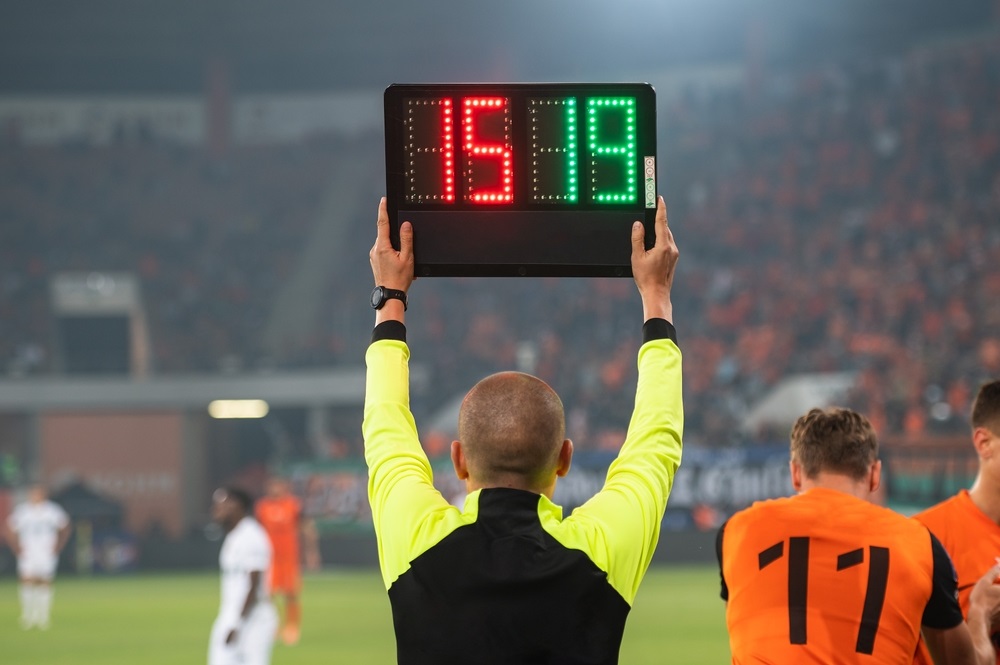
Last week, we struck a few parallels between the offside rule in football and limited company insolvency. This week, we extend our football-analogy and introduce a late substitute in our football-insolvency game…The Super Sub Sequana.
In football, a skilful substitute, brought on at the right time, can pivot the entire direction of the game. Likewise, the mention of “Sequana,” far from being just a one for one replacement substitute in our game of insolvency, has implications that can significantly shift the dynamics of a company’s financial fate.
Meet The Super Sub Sequana
Sequana gets its name from the precedent-setting case of BTI 2014 LLC v Sequana S.A. & Others [2019], a watershed legal battle that redefined directors’ duties and the payment of dividends in insolvency scenarios. The case explored, in unprecedented detail, the point at which a company’s directors could be liable for distributing dividends while their company was verging on insolvency.
Sequana’s Game-Changing Plays
When coming on in extra time, Sequana came with some game-changing tactics:
Clarifying the “Zone of Insolvency”: Like a player tiptoeing around an offside position, the path to insolvency doesn’t start the moment a company can’t afford to pay its debts. The Sequana case established the concept of a twilight period, a “zone of insolvency”, during which directors need to exercise caution.
Distribution of Dividends: Dividends paid out in the twilight period could be considered “transactions at an undervalue” or “unfair preferences”. Sequana’s introduction onto the pitch highlighted the importance of due diligence when paying dividends, well before the whistle blows for insolvent liquidation. It’s akin to a forward checking their positional alignment each time a forward pass is contemplated; they must ensure they are not caught offside.
Sequana’s Effect on the Game
Bringing on Sequana in extra time led to a paradigm shift. The referee’s (or court’s) perspective changed, and the definitions around what constitutes risky or unfair play became wider. Directors and their accountants must now navigate this updated landscape and be more cautious not to get flagged offside, even in the twilight zone.
Remember though, the insolvency pitch isn’t always a hostile battleground. It’s also a training ground where each manoeuvre, each call, and each case, can refine the ways we handle financial peaks and troughs.
Stay Onside: Strategic Masterclass in the New Game
Just as a great coach adapts strategies in light of a new player’s strengths and weaknesses, so should the directors adapt to the Sequana ruling. By delving into deeper financial examinations, embracing proactive measures, and holding the best interest of creditors as paramount during potential insolvency scenarios, the resulting play can keep your client safely onside, away from the lurking danger of personal penalties.
If you need assistance in understanding your client’s position better or applying Sequana’s tactics in your financial game plan, we can provide tailored advice. Just like a football coach, we strive to up your client’s game and keep them well within the rulebook, maintaining a robust defence against insolvency while steadily marching towards their financial goals.