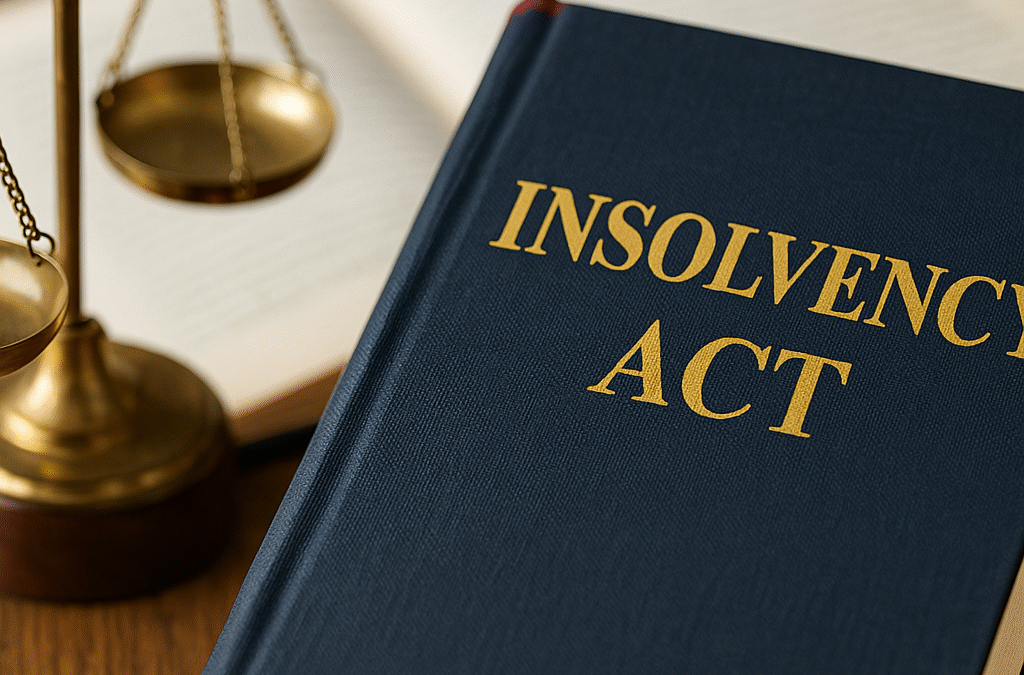
When I speak to directors whose companies are struggling, one of the first things I hear is: ‘I don’t know what I’m supposed to do now.’   It’s a fair point.   Most directors are perfectly capable when their businesses are solvent, but once insolvency looms, the rules change.  Suddenly, directors must think not just about shareholders or growth, but about creditors – and the personal consequences of getting it wrong can be severe.

Let’s talk about what directors should do when insolvency is on the horizon…

The Legal Duty Shift

Under normal circumstances, directors are required to act in the best interests of the company and its shareholders. But once a company becomes insolvent (or even if insolvency is likely), the legal duty shifts. At that point, directors must put the interests of creditors first…. not ‘may, ‘should’ but ‘must’.

This principle has been tested in the courts – see cases like BTI 2014 LLC v Sequana SA – which confirmed that directors must take creditor interests into account well before formal insolvency begins.

Practical Steps Directors Should Take

  1. Stop and Assess
    If cashflow is tight, don’t just keep trading on autopilot. Prepare up-to-date management accounts and a cashflow forecast. If you don’t know how, ask your accountant or insolvency adviser.

  2. Document Decisions
    Keep board minutes or at least written notes of decisions. Record why you continued trading – or why you stopped. If you ever face an investigation, contemporaneous notes are gold dust.

  3. Avoid Preference Payments
    Don’t repay loans to connected parties (like yourself, family members, or directors’ loan accounts) while leaving trade creditors unpaid. These can be challenged later by a liquidator or administrator (Insolvency Act 1986, s.239).

  4. Pay HMRC Carefully
    HMRC has regained secondary preferential status for some taxes, meaning PAYE, VAT, and NIC take priority. Ignoring HMRC is a red flag.

  5. Don’t Take on New Debt Lightly
    If you know the company is insolvent, borrowing further (or taking deposits from customers) can be seen as wrongful trading. The Insolvency Service can – and does – pursue directors personally (Insolvency Service: disqualified directors).

  6. Seek Independent Advice Early
    The earlier you speak to a licensed insolvency practitioner, the more options exist. Waiting too long reduces choices and increases personal risk.

Common Mistakes I See

  • Directors burying their heads in the sand, hoping cashflow will improve without real planning.

  • Personal guarantees being triggered unnecessarily because directors didn’t explore options like a Company Voluntary Arrangement (CVA).

  • Companies continuing to trade while insolvent, leaving a trail of unpaid suppliers, which later results in disqualification.

  • Overpayment of one creditor (often a bank or family lender) while neglecting others, creating clawback issues.

Avoiding these traps requires awareness and honesty – qualities that aren’t always easy in the pressure of a failing business, but they matter.

Resources Worth Bookmarking

Takeaway Checklist

Here’s a simple list every director should run through if their company is in trouble:

  • Prepare and review current financial information.

  • Keep clear records of board decisions.

  • Stop any preferential payments.

  • Prioritise HMRC and employee obligations.

  • Avoid taking new debt or customer deposits recklessly.

  • Contact a licensed insolvency practitioner for advice.

Final Thought

Insolvency doesn’t mean failure as a director – it means making tough, responsible decisions in difficult times. Protecting creditors, acting transparently, and seeking advice early are the best ways to minimise damage and move forward. After 40 years working in insolvency, I can say one thing with certainty: those directors who act decisively and responsibly come out stronger on the other side.